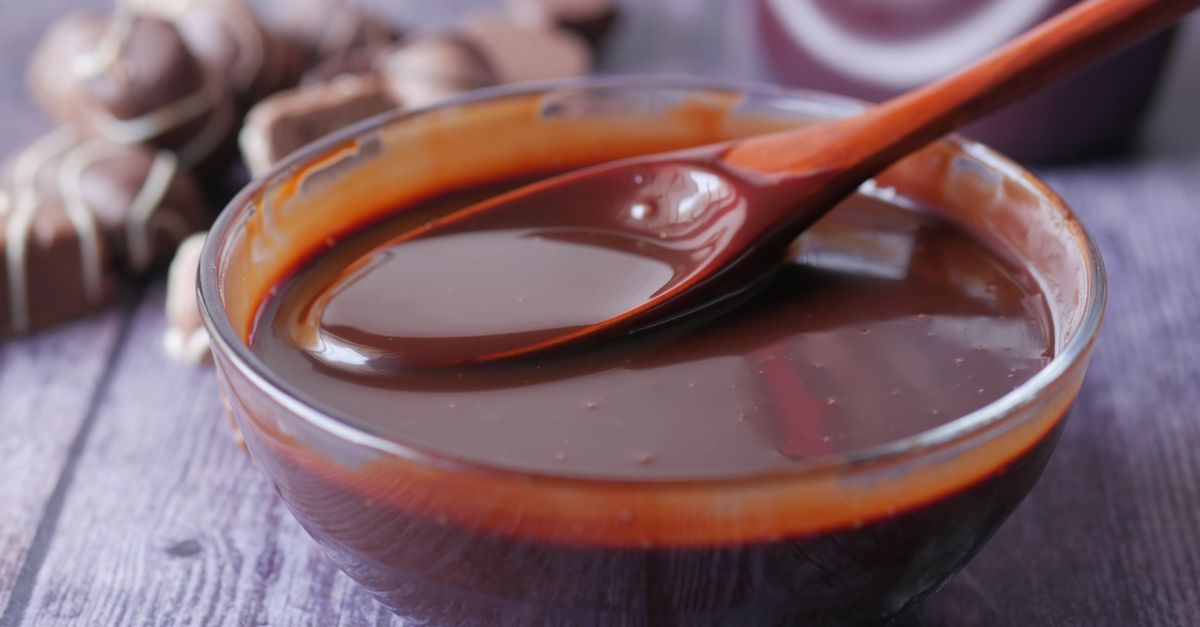
Why Your Homemade Sauces Are Thin and Lackluster (And The Pro Secrets for Rich, Velvety Perfection Every Time)
You’ve spent time carefully chopping, simmering, and stirring, only to end up with a sauce that’s more like flavored water than a luscious accompaniment to your dish. It clings poorly to pasta, lacks punch, and feels distinctly un-chef-like. I’ve been there, more times than I care to admit, especially in my early days of trying to replicate restaurant-quality meals at home. The common advice – ‘just reduce it more’ or ‘add a bit of flour’ – often leads to over-salted concentrates or gummy, unpleasant textures. It’s frustrating when your homemade efforts fall short, leaving your pasta dry or your protein craving that vibrant, cohesive element.
But here’s the truth: achieving that rich, velvety sauce isn’t about endlessly reducing or blindly adding thickeners. It’s about understanding a few fundamental culinary principles and applying them strategically. What changed everything for me was realizing that thickness and flavor aren’t just about concentration; they’re about building layers, encouraging emulsification, and leveraging the natural properties of ingredients. It’s a shift from ‘fixing’ a thin sauce to preventing one from the start. Trust me, once you grasp these pro secrets, your homemade sauces will go from weak and watery to deeply flavorful and perfectly textured every single time.
Key Takeaways
- Build a robust flavor base by deeply caramelizing aromatics before adding liquids.
- Introduce richness and body by incorporating fatty elements like butter, cream, or cheese at the right stage.
- Master natural thickening techniques such as pureeing vegetables or creating a proper roux or beurre manié.
- Achieve a glossy, emulsified finish by vigorously whisking in cold butter or a starch slurry right before serving.
The Overlooked Power of a Deeply Caramelized Flavor Base
The biggest mistake I see most home cooks make, and certainly one I made for years, is under-cooking the initial aromatics. You sauté your onions, garlic, or shallots until they’re translucent, maybe a little soft, and then you dump in your liquids. Big mistake. This is how you end up with a watery sauce that tastes of onions and garlic, rather than a sauce that has the essence of them.
What actually works is deeply caramelizing your aromatics. This isn’t just about cooking them; it’s about transforming them. Think 10-15 minutes, sometimes even 20, over medium-low heat. You want those sugars to break down, the edges to turn a rich golden-brown, and the bottom of the pan to develop a fond – those glorious browned bits that are pure flavor. This process creates hundreds of new flavor compounds through the Maillard reaction, providing a profound savory depth that simply cannot be achieved by quick sautéing. For instance, in a classic marinara, cooking chopped onions until they’re almost jammy before adding tomatoes makes a world of difference. For a pan sauce, letting the shallots get truly golden before deglazing unlocks a new dimension of taste.
Without this foundational flavor, any sauce you make will taste underdeveloped, no matter how much you reduce it. It’s like trying to build a skyscraper on a flimsy foundation; it will never stand strong.
Strategic Introduction of Fatty Elements for Body and Mouthfeel
Many thin sauces aren’t just lacking in viscosity; they’re lacking in richness and mouthfeel. This is where the strategic introduction of fats comes into play. I’m not talking about just adding a glug of olive oil at the start. I mean incorporating ingredients that naturally contribute body and silkiness.
For tomato-based sauces, a swirl of heavy cream or mascarpone at the very end can transform it from acidic and watery to luscious and balanced. For savory pan sauces, a few pats of cold butter whisked in off the heat (known as monter au beurre) creates a beautiful emulsification, adding gloss, body, and incredible flavor without making it heavy or greasy. The cold butter slowly melts, suspending tiny fat droplets throughout the sauce, which makes it appear thicker and feel richer on the tongue.
Another game-changer is cheese. For pasta sauces, finishing with a generous amount of freshly grated Parmigiano-Reggiano or Pecorino Romano doesn’t just add saltiness; it melts and emulsifies with the sauce, creating a creamy texture and nutty depth. Think about a proper cacio e pepe – it’s just cheese, pepper, and pasta water, but the magic is in the emulsification of the cheese with the starchy water. For cream-based sauces, a bit of cream cheese or even a high-quality goat cheese can provide both tang and a luxurious texture. These fatty elements are not just thickeners; they are enrichers that elevate the entire experience of the sauce.
Mastering Natural Thickeners Beyond Just Reduction
While reduction concentrates flavors, it doesn’t always provide the desired body. Relying solely on reduction can also lead to overly salty or intensely flavored sauces that lack nuance. True mastery lies in understanding how to use natural thickeners effectively.
One of the simplest yet most effective methods is pureeing a portion of the vegetables within the sauce. For vegetable-heavy sauces like a hearty marinara or a lentil ragu, blending even just a cup of the cooked sauce until smooth, then stirring it back in, adds incredible body and a rustic richness without needing any added starch. This works particularly well for chunky vegetable sauces where you want some texture but also a cohesive base.
For more refined sauces, a roux (cooked flour and fat) or a beurre manié (uncooked flour and butter paste) is indispensable. A roux, cooked gently until blonde or brown, adds a nutty flavor and provides stable thickening for gravies, béchamels, and veloutés. The key is to cook the flour long enough to eliminate the raw flour taste, typically 2-3 minutes for a blonde roux. Beurre manié, a last-minute thickener, is excellent for pan sauces that need a quick boost without the cooking time of a roux. Whisk a small ball of the paste into simmering liquid until dissolved, then allow to gently simmer for a minute or two to cook off the flour taste.
Finally, the starch from pasta water is your secret weapon for pasta sauces. Always reserve some. The starch released from the pasta helps emulsify the fat and liquid in your sauce, creating a glossy, cohesive coating that clings perfectly to every strand. It’s why adding a ladleful of starchy water to a simple aglio e olio transforms it from oil-coated pasta to a silky, flavorful dish.
The Finishing Flourish: Achieving a Glossy, Emulsified Texture
Beyond just thickness, the mark of a truly professional sauce is its glossy, emulsified texture. It should coat the back of a spoon, shimmer under the light, and never look separated or dull. This final flourish is often achieved right at the very end of cooking.
For pan sauces, as mentioned, whisking in a few cold pats of butter (monter au beurre) off the heat is transformative. The cold butter slowly melts, creating a stable emulsion that adds shine and a luxurious mouthfeel. It’s crucial to do this off the heat or over very low heat to prevent the emulsion from breaking.
For cream or dairy-based sauces, ensure you bring the sauce to a gentle simmer after adding any dairy, but avoid a rolling boil, which can cause separation. A final gentle whisk can help emulsify the fats. For non-dairy sauces that need a velvety finish, a very small starch slurry (cornstarch or arrowroot mixed with a bit of cold water) can be added while whisking vigorously, just until the desired thickness is reached. Again, simmer for a minute to cook out the starch flavor, but avoid over-boiling, which can break down the starch and thin the sauce again.
Another technique, particularly for vegetable purees or even some pestos, is to drizzle in a high-quality olive oil while blending or whisking. This creates a stable emulsion, adding a beautiful sheen and an extra layer of flavor. The key across all these methods is gentle heat, constant whisking, and introducing these elements at the very last stage to preserve their delicate structure and maximize their impact on texture and appearance. It’s the difference between a good sauce and a truly magnificent one.
Frequently Asked Questions
Q: My sauce tastes watery even after simmering for a long time. What did I do wrong?
A: The most common culprit is not building a strong enough flavor base at the beginning. If your aromatics (onions, garlic, carrots, celery) aren’t deeply caramelized and the fond (browned bits) isn’t developed at the bottom of the pan before adding liquid, you’ll struggle to achieve depth. Extended simmering will only concentrate a weak flavor, not create a rich one. Start by cooking those initial ingredients for 10-15 minutes over medium-low heat until truly golden brown.
Q: Can I use cornstarch or flour to thicken a sauce that’s already cooked and thin?
A: Yes, but with care. For flour, you’ll need to create a beurre manié (equal parts softened butter and flour kneaded together) and whisk small pieces into your simmering sauce. For cornstarch, make a slurry by mixing equal parts cornstarch and cold water until smooth, then whisk it into your simmering sauce a little at a time until thickened. Always simmer for 1-2 minutes after adding to cook out the raw starch taste. Be cautious not to add too much at once, as starches continue to thicken as they cool.
Q: My cream sauce keeps breaking or looking grainy. How can I fix this?
A: Cream sauces often break when subjected to high heat, rapid boiling, or if acidic ingredients are added too quickly. To prevent this, ensure your cream is at room temperature before adding. Integrate it slowly, stirring constantly. If adding acidic components like wine or lemon juice, do so before the cream, allowing them to reduce slightly first. If a sauce breaks, try whisking in a small amount of cold cream or a pat of cold butter off the heat, or even an ice cube, which can sometimes help re-emulsify the sauce.
Q: What’s the best way to add richness without making a sauce heavy or greasy?
A: The key is small amounts of high-quality fat, introduced strategically. For savory sauces, finishing with a few pats of cold butter whisked in vigorously off the heat (monter au beurre) adds gloss and body without heaviness. For tomato or vegetable sauces, a swirl of extra virgin olive oil at the very end, or a tablespoon of rich dairy like mascarpone or crème fraîche, can achieve this. The goal is emulsification, not saturation.
Q: How do restaurant chefs get their sauces so glossy and smooth?
A: Several techniques contribute: deeply reduced stock forms a naturally rich base, emulsification with butter or olive oil (often added at the end off the heat), and fine-straining through a chinois or fine-mesh sieve removes any particulates. Some chefs also use a very tiny amount of lecithin (found naturally in egg yolks or soy) as an emulsifier for ultra-stable, glossy sauces, though this is less common in home cooking. Properly cooked starches (like a well-made roux) also contribute to a smooth, non-grainy finish.
The Sauce Whisperer’s Next Step for You
Stop settling for watery, uninspired sauces. The next time you embark on a homemade sauce adventure, don’t just follow the recipe; internalize these principles. Start by committing to truly caramelizing your aromatics – give them the time they deserve. Then, before you even think about thickening, consider how you can build in richness, whether through a swirl of cream or a few pats of cold butter. Practice makes perfect, and with each attempt, you’ll build your intuition for turning thin liquids into velvety, flavorful masterpieces. Your palate, and your dinner guests, will thank you.
Written by Mark Jenkins
Practical Skills & Decision-Making
A veteran journalist known for his ability to research thoroughly and present information clearly and concisely.
You Might Also Like

Why Your Homemade Pizza Crust Lacks That Perfect Chew (And The Simple Pro-Secrets That Deliver Pizzeria-Quality Results)
Stop making bland, cracker-like pizza crusts. Discover the pro secrets to a chewy, flavorful homemade pizza that rivals your favorite pizzeria.
Why Your Homemade Pizza is Bland (And The Flavor Secrets That Changed Everything For Me)
Discover why your homemade pizza lacks flavor and the simple, impactful techniques that deliver pizzeria-quality taste every time.
Why Your Homemade Pizza Crust Isn't Crispy (And The Pro Secrets That Deliver Pizzeria-Quality Crunch Every Time)
Unlock pizzeria-level crispness for your homemade pizza crust. Learn the pro secrets beyond just oven temperature for perfect crunch.