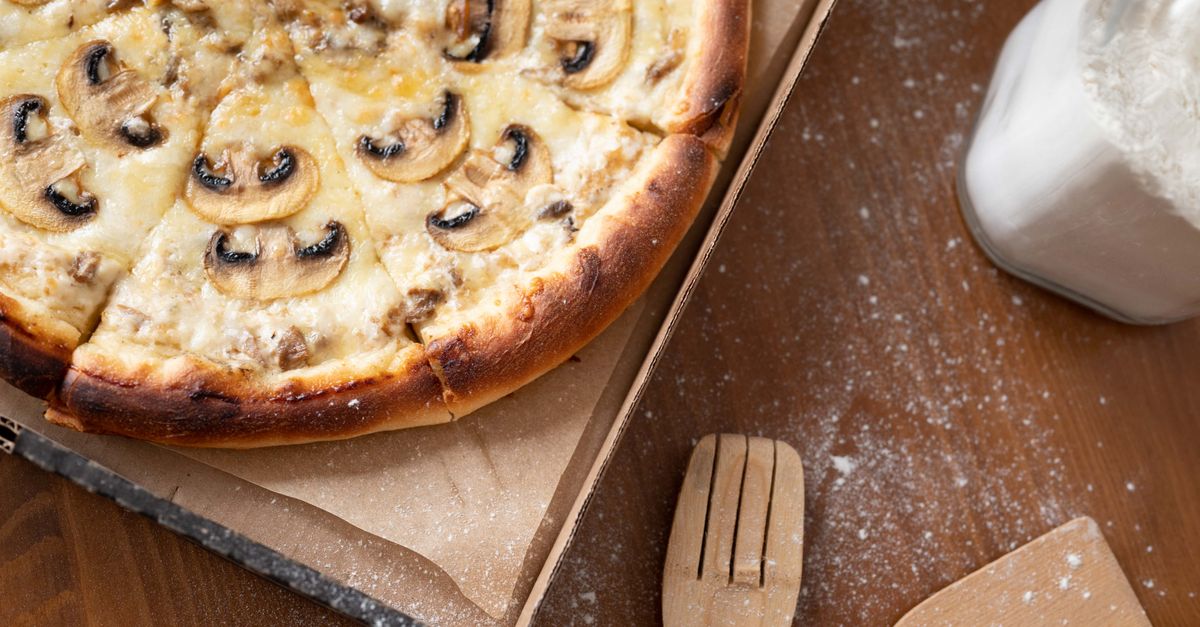
Why Your Homemade Pizza is Bland (And The Flavor Secrets That Changed Everything For Me)
Every weekend, for years, I’d make pizza at home. I loved the ritual: kneading the dough, chopping the toppings, the anticipation as it baked. But despite all that effort, and honestly, decent ingredients, something was always missing. My pizzas were fine. Edible. But they never had that explosion of flavor, that depth, that oomph you get from a great pizzeria. They were bland, frankly. For a long time, I blamed my oven, or my lack of a fancy pizza stone. But the truth, I discovered, wasn’t about equipment at all. It was about fundamental flavor strategies that I, and most home cooks, completely overlooked.
Key Takeaways
- Stop relying solely on raw tomatoes for sauce; deeply cook or use high-quality canned, concentrated tomatoes.
- Introduce layers of umami and saltiness with cured meats, hard cheeses, and even anchovy paste.
- Don’t overload the crust; a thinner, well-seasoned dough creates a crispier, more flavorful base.
- Bake at the absolute highest temperature your oven can reach, preheating for at least an hour.
- Finish with fresh herbs, a drizzle of good olive oil, or a sprinkle of flaky sea salt for immediate impact.
The Raw Tomato Trap: Why Your Sauce Falls Flat
The biggest mistake I made for years, and one I see constantly, is relying on raw or barely cooked fresh tomatoes for the sauce. While fresh tomatoes are glorious in season, they simply don’t have the concentrated depth of flavor needed to stand up to high heat baking and competing with other toppings. When you quickly blitz raw tomatoes and spread them on dough, they release a lot of water in the oven, making your crust soggy and leaving behind a watery, anemic flavor.
What changed everything for me was embracing high-quality canned tomatoes and cooking them down properly. Forget fresh, out-of-season tomatoes. Invest in a good can of San Marzano (DOP if you can find them) or other quality crushed or whole peeled tomatoes. The key is to then give them time on the stovetop. I now simmer my sauce for at least 30-45 minutes, sometimes an hour, letting the flavors meld and the sauce thicken. This concentrates the sugars, deepens the color, and intensifies that rich tomato flavor. I add a pinch of sugar to balance acidity, some garlic (often roasted, not raw), and a touch of dried oregano, letting it truly become a sauce, not just pureed fruit.
Real-world context: A can of good San Marzano tomatoes might cost $4-$5, compared to $2-$3 for generic diced tomatoes. But the flavor difference is disproportionately huge. This isn’t just about ‘better ingredients’; it’s about using ingredients that are designed for the application.
The Over-Topping Overload: Less is Truly More
My early pizzas were a monument to excess. Every topping I liked, piled high. Pepperoni, mushrooms, onions, peppers, olives, extra cheese. The result? A wet, dense, undercooked mess. All those ingredients, especially fresh vegetables, release moisture, creating steam that prevents the crust from crisping and dilutes the flavors.
What actually works is strategic, sparse topping application. Think of a classic Neapolitan pizza: often just sauce, mozzarella, and a few basil leaves. Each ingredient gets to shine. Now, I stick to 2-3 toppings, maximum. For vegetables, I often pre-roast them to remove excess moisture and concentrate their flavors. Sliced mushrooms, bell peppers, or onions benefit immensely from a quick toss with olive oil and a 15-20 minute roast at 400°F before hitting the pizza. This prevents them from steaming and tasting raw.
Tradeoff: Pre-roasting adds 20 minutes to your prep time. But it’s 20 minutes that transforms a watery topping into a tender, flavorful addition. The difference in crust texture and overall flavor is absolutely worth it. My goal is for every bite to have clear, distinct flavors, not a muddled ‘everything’ taste.
The Missing Umami and Saltiness: Beyond Mozzarella
Many home pizzas suffer from a lack of savory depth. We throw on some shredded mozzarella, maybe a few slices of pepperoni, and call it a day. But a truly great pizza has layers of umami and nuanced saltiness that make you crave another bite.
My secret weapon is introducing aged cheeses and cured meats (beyond just pepperoni) in strategic quantities. Instead of just low-moisture mozzarella, I now often use a blend: 80% low-moisture mozzarella for melt, and 20% grated Pecorino Romano or Parmesan for a sharp, salty, umami kick. For meats, a thin layer of prosciutto added after baking, or a sprinkle of crumbled, pre-cooked Italian sausage, brings a depth that pepperoni alone can’t achieve. A tiny smear of anchovy paste (you won’t taste fish, just intense savoriness) in the sauce can also be a game-changer. These ingredients don’t just add flavor; they add complexity.
Specifics: I’ve found that buying a small wedge of Pecorino Romano and grating it fresh makes a noticeable difference compared to pre-shredded varieties. The moisture content and flavor intensity are simply superior. And for cured meats like salami, look for high-quality, thinly sliced options from a deli counter instead of pre-packaged chunks.
The Underseasoned Dough: Your Flavor Foundation
Too often, we treat pizza dough as merely a vehicle for toppings, neglecting its own flavor potential. A bland crust equals a bland pizza, no matter how good your sauce or toppings are.
What truly elevates the base is proper dough seasoning and allowing a slow, cold fermentation. Beyond just salt in the dough, consider a touch of garlic powder or onion powder. And while quick doughs have their place, a long, cold fermentation (24-72 hours in the fridge) develops incredible flavor and complexity. The yeast slowly breaks down starches, creating more aromatic compounds. Before stretching, I’ll lightly brush the rim of the crust with olive oil and sprinkle with a pinch of flaky sea salt and sometimes a dash of garlic powder – this ensures the crust edge, often ignored, has its own delicious character.
Experience: The first time I tried a 48-hour cold fermented dough, it was a revelation. The crust wasn’t just crispy; it had a subtle tang and depth that was utterly missing from my quick-rise versions. It transformed the entire pizza experience, making the crust an equally enjoyable part of the bite.
The Oven Temperature Fallacy: Hotter and Longer is Key
I used to think my oven, topping out at 500°F (260°C), was enough. But pizza, especially thin-crust, thrives on intense, rapid heat. Underbaking at too low a temperature is a recipe for a pale, soft, flabby crust and muted flavors.
My hard-won lesson: maximize your oven’s heat and preheat for far longer than you think. If your oven goes to 550°F (290°C), use it. If it only goes to 500°F, that’s fine, but still preheat for a full hour, or even 90 minutes. I place a pizza steel or stone on the top rack (or second from top) during this time. This superheats the stone, ensuring instant intense heat to the bottom of the crust, creating that coveted crispy, blistered exterior. The short, hot bake ensures toppings cook quickly without drying out, and the flavors remain vibrant.
What changed everything for me: I used to put the pizza in after 20-30 minutes of preheat. The bottom was never quite right. The first time I waited a full 75 minutes for my pizza steel to get scorching hot, the crust came out of the oven with char spots and a crunch I’d only ever experienced at a pizzeria. This is the single most impactful ‘technique’ you can implement without buying new equipment.
The Post-Bake Finishing Touch: Don’t Forget the Freshness
Pulling a hot pizza out of the oven is exciting, but don’t rush to cut it immediately. Many home pizzas miss a crucial final step that elevates flavor and aroma significantly.
Always add fresh, bright elements immediately after baking. A drizzle of good quality extra virgin olive oil (EVOO) over the hot cheese and crust awakens flavors and adds richness. A sprinkle of fresh basil leaves (torn, not chopped, for better aroma) or fresh oregano provides a burst of herbaceousness that cooked herbs often lack. A final flourish of flaky sea salt can enhance all the savory notes. Sometimes, a pinch of red pepper flakes adds a welcome kick. These fresh additions aren’t just garnish; they are integral flavor components that provide contrast and lift to the richness of the cooked pizza. My pizzas went from ‘pretty good’ to ‘wow’ with this simple habit.
Tip: A cold element like a fresh arugula salad dressed with lemon and olive oil added after the pizza comes out, and placed on individual slices, also provides a fantastic counterpoint and elevates the entire experience.
Frequently Asked Questions
Q: Can I use fresh tomatoes for my pizza sauce? If so, how should I prepare them?
A: While canned tomatoes offer more concentrated flavor, you can use fresh tomatoes if they are perfectly ripe and in season. The key is to roast them first. Halve or quarter them, toss with olive oil, salt, and garlic, and roast at 400°F (200°C) for 30-45 minutes until softened and slightly caramelized. Then, blend or crush them. This removes excess moisture and concentrates their flavor, making them more suitable for pizza sauce.
Q: How can I prevent my pizza crust from getting soggy in the middle?
A: Several factors contribute to a soggy crust. First, cook your sauce down to a thicker consistency. Second, use fewer, drier toppings – pre-roast vegetables to remove moisture. Third, ensure your oven and pizza stone/steel are fully preheated at the highest possible temperature. The intense, immediate heat from below will set the crust quickly. A thin layer of semolina or cornmeal under the dough can also help absorb some moisture.
Q: What’s the best cheese blend for homemade pizza?
A: A classic blend is 80% low-moisture, whole-milk mozzarella for melt and stretch, and 20% hard, salty grating cheese like Pecorino Romano or Parmesan for flavor. Avoid pre-shredded mozzarella, which often contains anti-caking agents that hinder melting. Grate your own from blocks for best results.
Q: My pizza dough lacks flavor. What can I do?
A: The most impactful change is to allow your dough to cold ferment in the refrigerator for 24-72 hours. This develops complex flavors. Also, ensure you’re using enough salt in your dough recipe (around 1.5-2% of the flour weight). A touch of olive oil in the dough can also add richness. Finally, consider a light brushing of olive oil and a sprinkle of flaky sea salt on the crust rim before baking.
Q: I don’t have a pizza stone or steel. Can I still make good pizza?
A: Absolutely! While a stone or steel helps, you can achieve a decent crust using a heavy baking sheet. Place the baking sheet upside down in the oven and preheat it at the highest temperature for at least 45-60 minutes. Slide your pizza directly onto the hot baking sheet. This mimics some of the conductive heat from a stone, leading to a crispier bottom.
Making truly flavorful homemade pizza isn’t about expensive gear or secret ingredients, but about mastering a few fundamental techniques and understanding how flavors interact. By focusing on a rich, cooked sauce, strategic topping choices, layers of umami, well-seasoned dough, and maximizing your oven’s heat, you can elevate your pizza from ‘fine’ to truly fantastic. What changed everything for me was realizing that every component, from the base to the final flourish, contributes to the overall flavor experience. Don’t be afraid to experiment with these ideas, and you’ll soon be making pizzas that truly rival your favorite pizzeria. Happy baking!
Written by Mark Jenkins
Practical Skills & Decision-Making
A veteran journalist known for his ability to research thoroughly and present information clearly and concisely.
You Might Also Like
Why Your Homemade Sauces Are Thin and Lackluster (And The Pro Secrets for Rich, Velvety Perfection Every Time)
Transform watery, bland sauces into rich, velvety masterpieces. Discover the pro secrets chefs use for incredible depth and texture.

Why Your Homemade Pizza Crust Lacks That Perfect Chew (And The Simple Pro-Secrets That Deliver Pizzeria-Quality Results)
Stop making bland, cracker-like pizza crusts. Discover the pro secrets to a chewy, flavorful homemade pizza that rivals your favorite pizzeria.
Why Your Homemade Pizza Crust Isn't Crispy (And The Pro Secrets That Deliver Pizzeria-Quality Crunch Every Time)
Unlock pizzeria-level crispness for your homemade pizza crust. Learn the pro secrets beyond just oven temperature for perfect crunch.