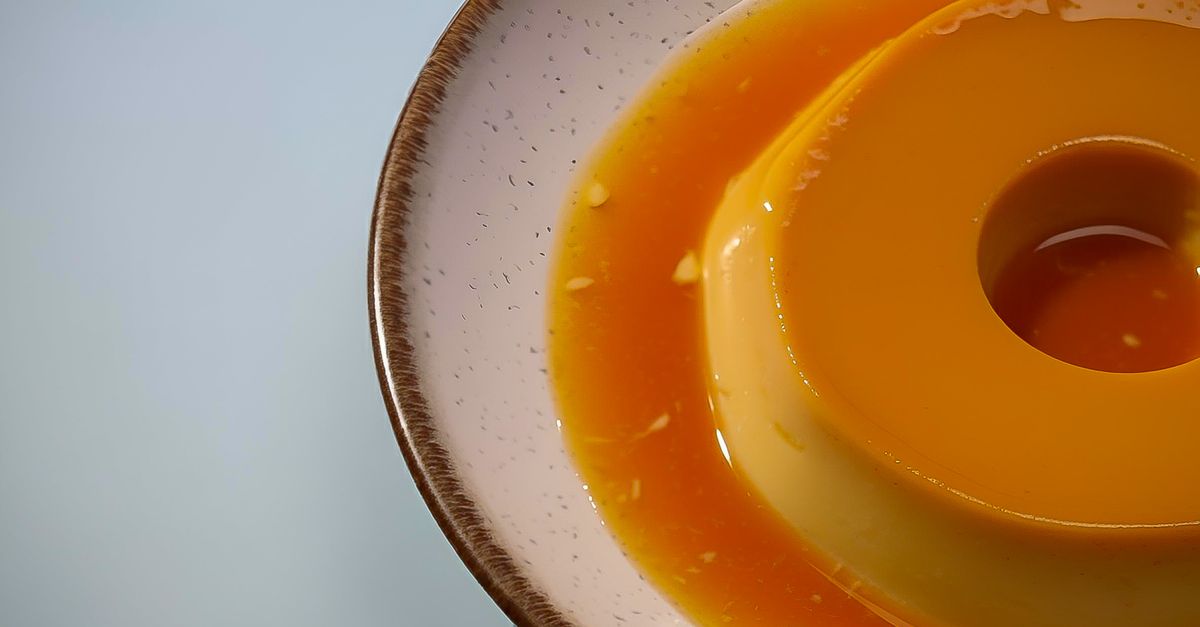
Why Your Homemade Sauces Separate (And The Pro Secrets for Silky Perfection Every Time)
You’ve spent precious time simmering, stirring, and blending, only to watch your beautiful homemade sauce break, leaving a greasy, unappetizing mess. I know the frustration. I’ve been there, staring into a split hollandaise, a curdled cheese sauce, or a watery vinaigrette, wondering where I went wrong. It feels like a culinary betrayal, especially when a recipe promised creamy, cohesive perfection.
In my experience, sauce separation isn’t usually a sign of a bad cook, but rather a misunderstanding of the delicate balance of fats, liquids, and emulsifiers at play. Most home cooks fall into a few common traps, relying on surface-level instructions that don’t address the underlying science. What changed everything for me was a deeper dive into the ‘why’ behind the split, allowing me to anticipate problems and intervene with simple, yet highly effective, techniques.
Key Takeaways
- Temperature control is paramount; extreme heat or cold shocks can break emulsions, especially with egg or dairy-based sauces.
- Introduce fats and liquids gradually, and emulsify thoroughly, often by adding fat slowly to a liquid base, to build stable structures.
- Stabilize sauces with appropriate starches or emulsifiers, but use them judiciously to avoid gummy textures.
- The ‘ice bath shock’ or a tiny bit of liquid can often rescue a split sauce, don’t throw it out immediately.
The Unseen Enemy: Why Temperature Swings Sabotage Your Sauce
The single biggest mistake I see most often in home kitchens leading to separated sauces is a lack of rigorous temperature control. We often think of cooking as simply applying heat, but for many sauces, especially those relying on delicate proteins or fats, abrupt temperature changes are a death sentence. Think about it: an egg yolk-based hollandaise is an emulsion of butter into egg yolks and acid. If you add hot butter too quickly to cold yolks, or overheat the mixture, the egg proteins seize, forcing the fat out of suspension. The same goes for dairy-based sauces like béchamel or cheese sauces. Overheating dairy causes its proteins to coagulate and separate from the fat, resulting in a grainy, oily mess.
What actually works is to think of temperature as a gentle slope, not a cliff edge. When combining ingredients, ensure they are as close to the same temperature as possible. For hollandaise or mayonnaise, use room-temperature egg yolks. When adding hot liquid or fat, do so in a very slow, thin stream, while whisking vigorously. If you’re making a cheese sauce, avoid boiling the milk; gently warm it and add grated cheese off the heat, allowing residual warmth to melt it slowly. If a dairy sauce starts to look like it’s on the verge of splitting, immediately remove it from the heat and stir continuously. Sometimes, simply taking it off the heat for a minute or two can save it. This principle of gradualism and consistent moderate temperature is often overlooked but is absolutely critical for stable, silky sauces.
The Gradual Embrace: Mastering Emulsification for Lasting Stability
Many sauces are emulsions, where two typically unmixable liquids (like oil and water) are forced into a stable blend. Mayonnaise, hollandaise, and vinaigrettes are prime examples. The mistake I see most often is rushing the process or not understanding the role of the emulsifying agent. A lot of recipes simply say ‘whisk until combined,’ which is vague and unhelpful. If you dump all the oil into a vinaigrette at once, it’s highly likely to separate because there’s not enough emulsifier (like mustard or egg yolk) or mechanical energy (whisking) to bind it properly.
What changed everything for me was adopting the ‘slow drip and intense whisk’ method. When making a vinaigrette, for instance, combine your acid (vinegar, lemon juice) and emulsifier (mustard, a touch of honey). Then, add the oil one drop at a time for the first 30 seconds to a minute, whisking continuously and vigorously. Once a stable, slightly thickened base emulsion forms, you can increase to a very thin stream, but never pour it in. This gives the emulsifying molecules time to surround the tiny fat droplets and prevent them from coalescing. For pan sauces, deglaze with wine or stock, reduce slightly, then swirl in cold butter off the heat, piece by piece, allowing each piece to melt and emulsify before adding the next. This controlled fat introduction is a game-changer for velvety, stable sauces that don’t break down into their component parts.
The Starch Savvy: Using Thickeners Wisely for Cohesion
Not all sauces are pure emulsions; many rely on starches to provide body and prevent separation, particularly gravies, cream sauces, and some custards. The common misconception is that all starches are created equal, or that more starch is always better. In my experience, haphazardly adding flour or cornstarch can lead to a gummy texture, a pasty flavor, or even cause separation if not properly hydrated or cooked out. Another mistake is adding dry starch directly to hot liquid, which invariably leads to lumps and uneven thickening.
What actually works is to employ a starch slurry or a well-cooked roux. For clear, glossy sauces, a cornstarch or arrowroot slurry (1 part starch to 2 parts cold liquid) is ideal. Add it to a simmering sauce gradually, stirring constantly, and cook for at least 1-2 minutes after it thickens to cook out the raw starch taste. For opaque, richer sauces like gravies or béchamel, a roux (equal parts fat and flour cooked together) provides a stable base. Cook the roux thoroughly until it reaches the desired color – from pale blonde for delicate sauces to deep brown for rich gravies. This process coats the starch granules in fat, preventing lumps and allowing for even hydration when liquid is added. Always add cold liquid to hot roux, or hot liquid to cold roux for the smoothest results. This temperature contrast helps the starch expand evenly without clumping, leading to a much more stable and silky final product.
The Rescue Mission: Saving a Split Sauce from the Brink
Even with the best intentions and techniques, sometimes a sauce still splits. Most home cooks, myself included in my early days, immediately discard it. The mistake here is assuming it’s unsalvageable. Often, a separated sauce can be brought back to life with a few clever interventions, saving your meal and your sanity. It’s about understanding why it split and reversing that process.
What changed everything for me was learning the ‘ice bath shock’ method for egg-based emulsions and the ‘cold liquid restart’ for dairy or starch-based sauces. For a split hollandaise or mayonnaise, place a small amount (1-2 tablespoons) of ice-cold water or lemon juice into a clean bowl. Gradually add your separated sauce to this cold liquid, whisking vigorously. The cold liquid helps the egg proteins relax and re-emulsify the fat. For split dairy or cream sauces, remove the sauce from the heat, and in a separate clean pan, add a tablespoon or two of cold milk, cream, or stock. Whisk it well, then slowly, while whisking, drizzle in the separated sauce. The cold liquid provides a new base for the separated fats and proteins to bind to. For a gravy that’s split, sometimes adding a small knob of cold butter and whisking it in vigorously, off the heat, can re-emulsify it. Don’t be afraid to experiment with these rescue techniques; they work surprisingly often and can turn a culinary disaster into a triumph.
Frequently Asked Questions
Q: Why does my cheese sauce always turn grainy and oily?
A: Your cheese sauce likely turns grainy and oily due to overheating. Dairy proteins (like those in milk and cheese) can seize and expel fat when exposed to too high a temperature or boiled too rapidly. To prevent this, gently warm the milk base, remove it from the heat before adding cheese, and stir continuously until the cheese melts smoothly. Using full-fat cheese and adding a pinch of sodium citrate (an emulsifying salt) can also greatly improve stability, but careful temperature is key.
Q: Can I use olive oil for hollandaise or mayonnaise?
A: While technically possible, olive oil is generally not recommended for hollandaise or mayonnaise. Its strong flavor can overpower the delicate taste of these sauces, and it’s also more prone to separating than neutral oils like grapeseed, canola, or sunflower oil, especially extra virgin olive oil due to its higher free fatty acid content. Stick to neutral oils for best results in these classic emulsions.
Q: My gravy is lumpy and watery. How can I fix it?
A: A lumpy and watery gravy usually means the starch (flour or cornstarch) wasn’t fully hydrated or cooked properly, or the liquid was added too quickly. To fix it, you can strain the gravy through a fine-mesh sieve to remove lumps. Then, if it’s still too thin, create a small starch slurry with cold liquid and whisk it gradually into the simmering gravy. Cook for a few minutes to ensure the starch thickens and the raw flavor is gone.
Q: How can I prevent my vinaigrette from separating in the fridge?
A: Vinaigrettes, especially those without strong emulsifiers like mustard or egg yolk, are prone to separating in the fridge because the oil solidifies and the emulsion breaks. To prevent this, include a good emulsifier (like Dijon mustard, a tiny bit of honey, or a tablespoon of mayonnaise). Store it in a tightly sealed jar, and give it a vigorous shake before serving to re-emulsify. The cold will thicken the oil, making it easier to re-emulsify temporarily.
Q: What’s the best way to keep a pan sauce from splitting when adding butter?
A: The key to preventing pan sauce splitting when finishing with butter is to add cold butter, off the heat, in small pieces, whisking constantly. The cold butter helps lower the sauce’s overall temperature slightly, preventing proteins from seizing, while the fat from the butter emulsifies into the hot liquid, creating a rich, glossy finish. Adding large chunks of warm or melted butter to a very hot sauce is a recipe for separation.
Mastering homemade sauces isn’t about magical ingredients; it’s about understanding the fundamental principles of temperature, emulsification, and ingredient interaction. By implementing these pro secrets, you’ll move beyond recipes and develop an intuitive feel for creating silky, stable sauces every time. Your cooking will elevate, your confidence will soar, and those frustrating split sauces will become a thing of the past. The next time you embark on a sauce-making adventure, remember these lessons, and enjoy the delicious, cohesive results.
Written by Mark Jenkins
Practical Skills & Decision-Making
A veteran journalist known for his ability to research thoroughly and present information clearly and concisely.
You Might Also Like

Why Your Homemade Salad Dressings Separate (And The Pro Secrets for Silky Perfection Every Time)
Stop your homemade salad dressings from separating into oily and watery layers. Discover the pro secrets for creamy, emulsified perfection every time.
Why Your Homemade Sauces Are Thin and Lackluster (And The Pro Secrets for Rich, Velvety Perfection Every Time)
Transform watery, bland sauces into rich, velvety masterpieces. Discover the pro secrets chefs use for incredible depth and texture.

Why Your Homemade Pizza Crust Lacks That Perfect Chew (And The Simple Pro-Secrets That Deliver Pizzeria-Quality Results)
Stop making bland, cracker-like pizza crusts. Discover the pro secrets to a chewy, flavorful homemade pizza that rivals your favorite pizzeria.